Online Coaching vs. Traditional Coaching for GATE Exam Preparation
Graduate Aptitude Test in Engineering (GATE) is a national-level entrance exam that is conducted to assess the competency of students in engineering and science subjects. It is a popular exam among engineering students as it is a gateway for admission to postgraduate courses in engineering and technology, and for employment in public sector undertakings. As the competition is fierce, students seek coaching to enhance their chances of cracking the exam. In recent years, online coaching has gained popularity over traditional coaching for GATE exam preparation. Let's explore the advantages and disadvantages of both types of coaching.
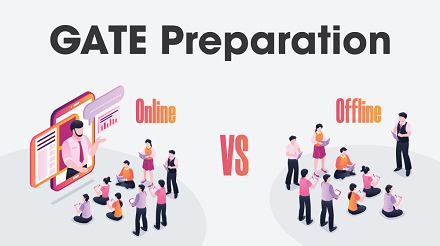
Online coaching refers to coaching that is provided through the internet. It includes pre-recorded video lectures, online study material, mock tests, and doubt clearing sessions via video conferencing. On the other hand, traditional coaching involves attending classes at a physical coaching center. It includes classroom lectures, study material, and doubt clearing sessions with the instructor.
One of the significant advantages of online coaching is its flexibility. Students can access the study material and lectures at their convenience, which is particularly helpful for working professionals or students who cannot attend traditional coaching classes due to other commitments. Online coaching also provides a wider choice of instructors and study material, as students can choose from various coaching centers across the country. Furthermore, online coaching is cost-effective as it eliminates the need for travel and accommodation expenses.
Traditional coaching, on the other hand, provides students with the benefit of direct interaction with the instructor. Students can clarify their doubts on the spot, which may not be possible in online coaching. Traditional coaching also provides a structured learning environment, which can help students in better time management and discipline. Moreover, traditional coaching is more suitable for students who need a classroom environment to concentrate on their studies.
However, traditional coaching has its disadvantages as well. It is not as flexible as online coaching, and students may need to adjust their schedule to attend the classes. Furthermore, traditional coaching can be expensive, as students need to bear the cost of travel, accommodation, and coaching fees.
In conclusion, both online coaching and traditional coaching have their advantages and disadvantages. Students need to consider their personal preferences, schedule, and budget before choosing the type of coaching that suits them best. Online coaching is suitable for students who need flexibility and a wider choice of study material and instructors, while traditional coaching is suitable for students who prefer direct interaction with the instructor and a structured learning environment. Ultimately, success in the GATE exam depends on the student's dedication, hard work, and the quality of coaching they receive.